
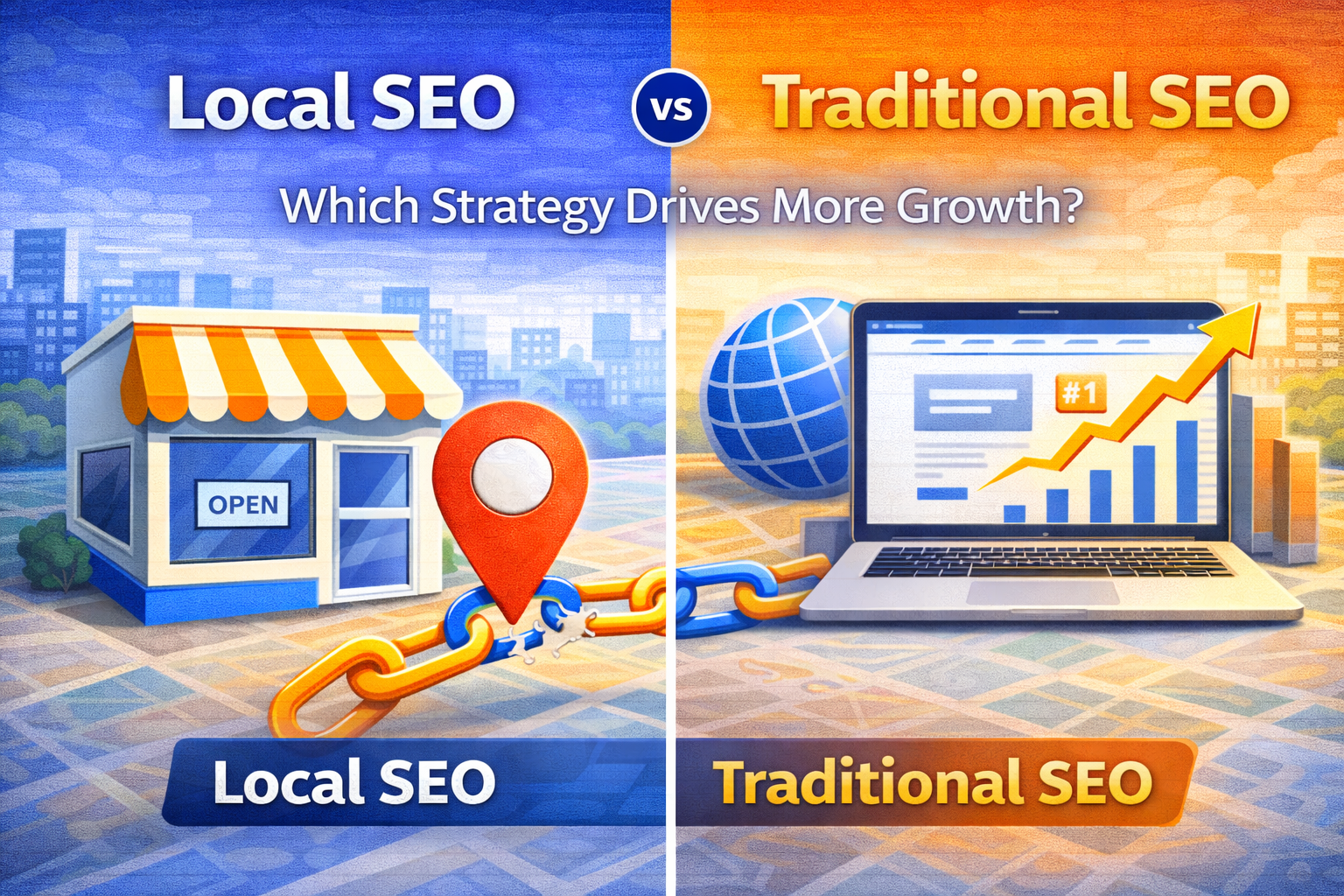

Finding the right keywords is the foundation of successful Local SEO. However, not all keywords bring leads or sales. Many businesses target keywords with traffic but fail to generate calls or customers. This is where high-intent local keywords make the biggest difference.
High-intent local keywords help businesses attract people who are ready to take action — whether calling, booking, or visiting a business location. If your goal is to increase qualified leads, improve Google Maps rankings, and grow local visibility, learning how to find these keywords is essential.
In this guide, you will learn how to find high-intent local keywords using proven Local SEO strategies, GEO targeting methods, and AEO optimization techniques.
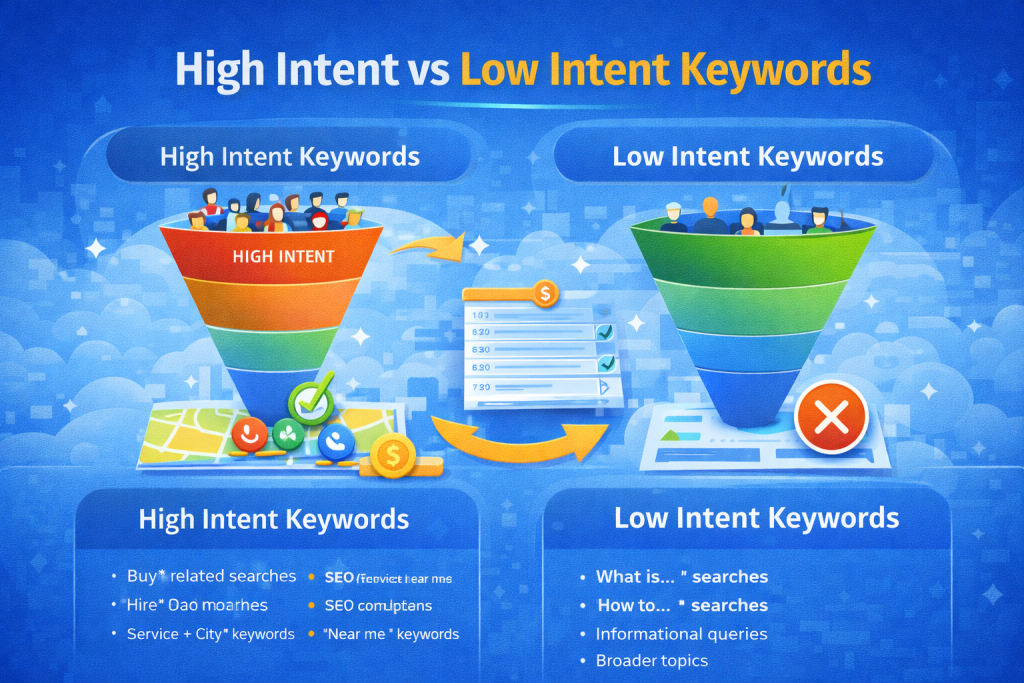
High-intent local keywords are search terms used by people who are actively looking for a service or business in a specific location. These users usually have strong buying intent and are more likely to convert into customers.
Examples of High-Intent Local Keywords
- Local SEO services in Bangladesh
- SEO expert near me
- Best plumber in Dhaka
- Digital marketing agency in Chittagong
- Emergency electrician near me
These keywords include:
- Service-based search terms
- Location-based intent
- Action-driven search behavior
Unlike informational keywords, high-intent keywords bring users closer to making a purchase decision.
Why High-Intent Local Keywords Are Important
Targeting high-intent local keywords provides several benefits:
Higher Conversion Rates
Users searching with location and service intent are more likely to call or contact a business immediately.
Better Google Maps Rankings
Google prioritizes businesses optimized with location-specific keywords.
Stronger Local Visibility
High-intent keywords help your business appear in:
- Google Map Pack
- Local Search Results
- Voice Search Queries
- AI Overviews
Improved ROI
Instead of attracting random traffic, high-intent keywords bring targeted visitors who are ready to buy.
Understanding User Intent in Local Keyword Research
Before finding keywords, understanding user intent is critical.
1. Informational Intent
Users searching for knowledge.
Example: What is Local SEO?
2. Commercial Intent
Users comparing services.
Example: Best Local SEO services in Bangladesh
3. Transactional Intent
Users ready to hire or purchase.
Example: Hire Local SEO expert near me
For local businesses, transactional and commercial intent keywords generate the highest leads.
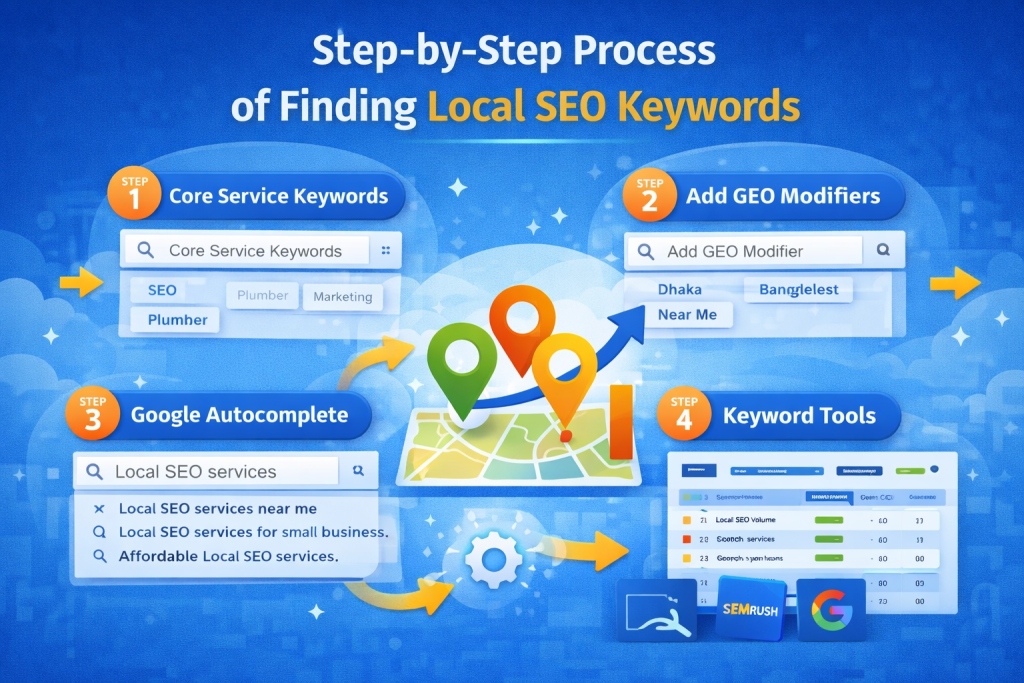
Step-by-Step Process to Find High-Intent Local Keywords
Start With Core Service Keywords
Begin by identifying your main service keywords.
Examples:
These are your base keywords that will later be expanded with location targeting.
Add Location-Based GEO Modifiers
GEO targeting helps search engines understand where your business operates. Add city, area, or country modifiers to your keywords.
GEO Keyword Examples
- Local SEO services in Bangladesh
- SEO consultant in Dhaka
- Digital marketing agency in Uttara
- Local SEO expert in Chittagong
Types of Location Modifiers
- Country-based
- City-based
- Area-based
- “Near me” keywords
GEO modifiers significantly improve local ranking potential.
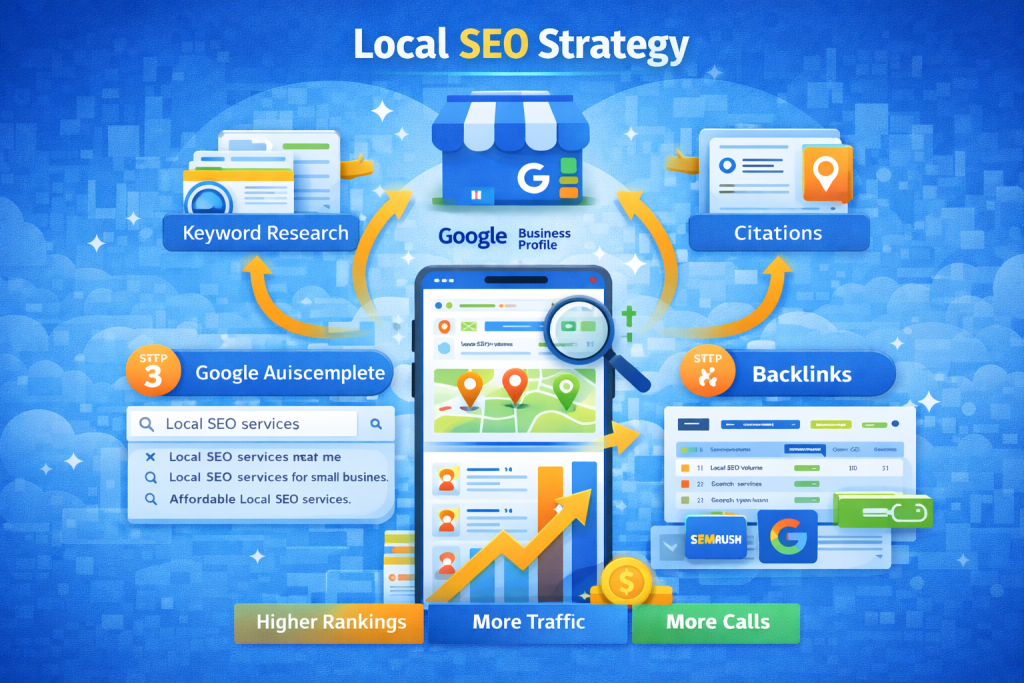
Use Google Autocomplete for Real User Searches
Google Autocomplete is one of the best free tools for finding high-intent keywords.
How to Use It
- Type your service keyword into Google
- Analyze suggested searches
- Note location and service combinations
Example Search:
“Local SEO services”
Suggested keywords may include:
- Local SEO services near me
- Local SEO services for small business
- Affordable Local SEO services
These suggestions reflect real user search behavior.
Analyze Google “People Also Ask”
The People Also Ask section helps identify:
- Common user questions
- Long-tail keyword opportunities
- AEO optimization opportunities
Example Questions:
- How much does Local SEO cost?
- How long does Local SEO take?
- Is Local SEO worth it?
Including these questions in your content helps target voice search and AI search results.
Use Keyword Research Tools
Professional keyword tools help identify search volume, competition, and keyword intent.
Recommended Tools
- Google Keyword Planner
- Ahrefs
- SEMrush
- Ubersuggest
- AnswerThePublic
Focus on keywords with:
- Medium competition
- Strong commercial intent
- Location targeting
Study Competitor Keywords
Competitor analysis reveals keyword opportunities you might miss.
How to Analyze Competitors
- Identify top-ranking local competitors
- Analyze their service pages
- Review blog content topics
- Check Google Maps competitors
Competitor keywords often reveal high-intent search opportunities.
Focus on Long-Tail Local Keywords
Long-tail keywords contain multiple words and provide higher conversion potential.
Examples
- Affordable Local SEO services in Bangladesh
- Best Local SEO expert for small businesses
- Google Business Profile optimization services near me
Long-tail keywords:
- Have lower competition
- Bring highly targeted traffic
- Improve conversion rates
Include Service + Problem-Based Keywords
Users often search using problems instead of services.
Problem-Based Keyword Examples
- Why my business is not showing on Google Maps
- How to rank business locally
- How to get more local leads
These keywords attract users looking for solutions and position your business as an authority.
Optimize Keywords for Voice Search and AEO
Voice search is growing rapidly, especially for local searches.
Voice Search Keyword Examples
- Who is the best Local SEO expert near me?
- Which company provides Local SEO services in Bangladesh?
- How can I improve my local ranking fast?
Voice search keywords usually:
- Are conversational
- Include question-based queries
- Focus on immediate solutions
Best Practices for Using High-Intent Local Keywords
Use Keywords Naturally
Avoid keyword stuffing. Use keywords naturally in:
- Headings
- First paragraph
- Meta descriptions
- Image alt text
- Internal links
Optimize Google Business Profile
Include high-intent keywords in:
- Business description
- Services section
- Posts and updates
Add Internal Linking
Link blog content to service pages using keyword-rich anchor text.
Common Mistakes to Avoid
Targeting Only High Volume Keywords
High search volume does not always mean high conversions.
Ignoring GEO Targeting
Local SEO depends heavily on location-based keywords.
Not Using Long-Tail Keywords
Long-tail keywords drive highly qualified leads.
Skipping Competitor Research
Competitor analysis provides valuable keyword insights.
How High-Intent Keywords Improve Local SEO Rankings
High-intent local keywords help:
- Increase Google Maps visibility
- Improve organic search rankings
- Boost website traffic quality
- Generate more phone calls and leads
- Strengthen local authority
Businesses that focus on keyword intent outperform competitors targeting generic keywords.
Future of Local Keyword Research
Search engines are moving toward AI-powered results. High-intent keywords optimized for AEO help businesses appear in:
- AI Overviews
- Voice search results
- Featured snippets
- Conversational search queries
Businesses that adapt to AEO strategies will gain long-term Local SEO advantages
Final Thoughts
Finding high-intent local keywords is one of the most important steps in building a successful Local SEO strategy. By targeting keywords that combine service intent with location targeting, businesses can attract customers who are ready to take action.
Using Google Autocomplete, competitor research, keyword tools, and voice search optimization ensures your business captures valuable local search traffic. When implemented correctly, high-intent keywords help improve rankings, increase visibility, and generate consistent local leads.
If you want sustainable growth, focusing on high-intent local keywords is not optional — it is essential for dominating local search results.

I am Rubel Ahmed Professional SEO Expert & Consultant, I have a Experience Of Over 2 Years in Keyword Research,On Page Optimazation,Content Strategy.


